On the afternoon of September 24, the most powerful typhoon to affect the region since the beginning of 2025—“Ragasa”made landfall in Yangjiang, Guangdong Province, with maximum winds near the center reaching Force 13 at landfall.
The violent winds and heavy rain brought by Typhoon Ragasa posed severe challenges to infrastructure, transportation, and public services across Guangdong Province.
Facing extreme weather, ABC coordinated all project teams, comprehensively inspected potential hazards, reinforced facilities, and strengthened defenses against wind and flooding.
I. On-Site Report: The Building's Robust Performance
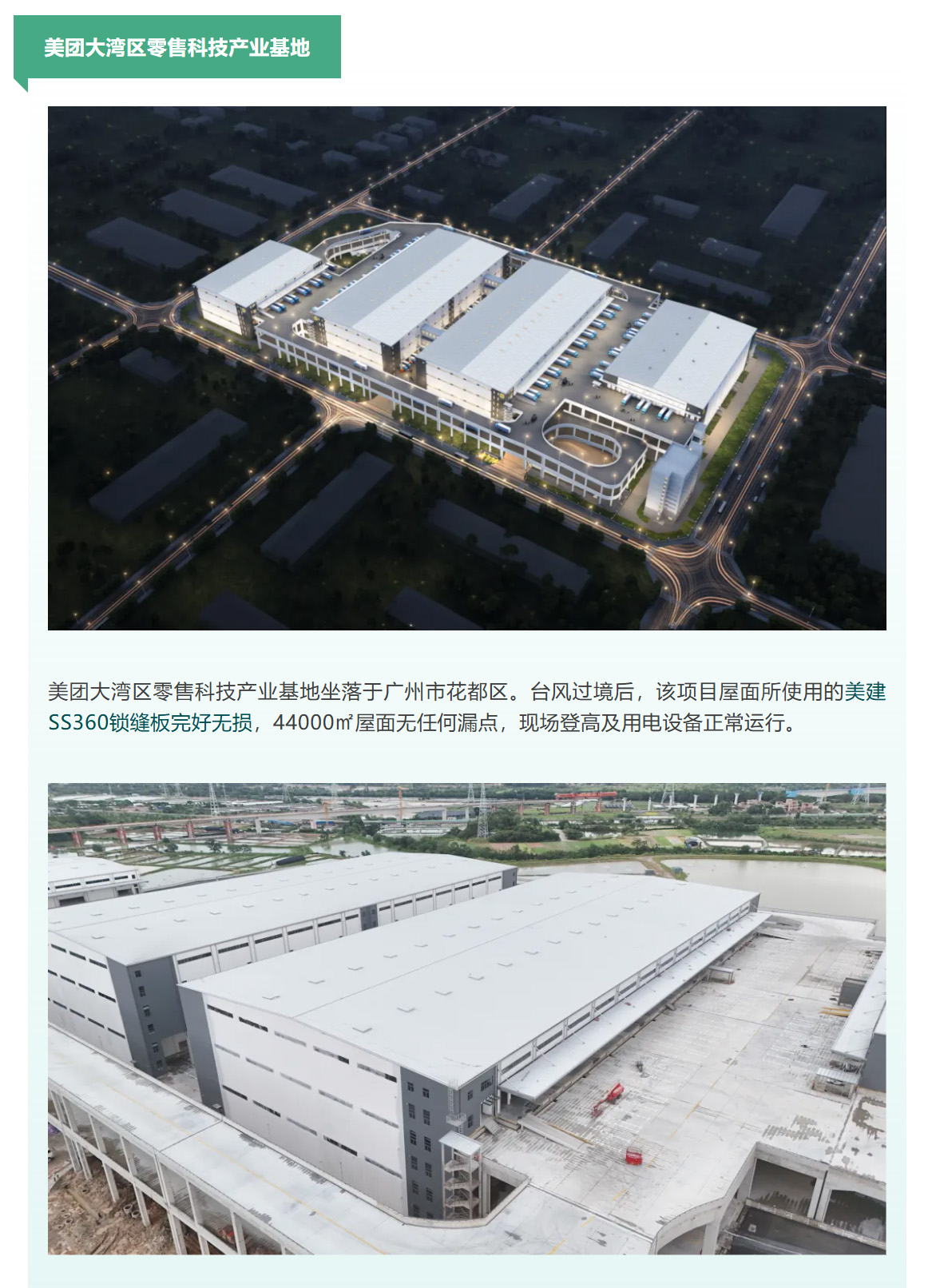
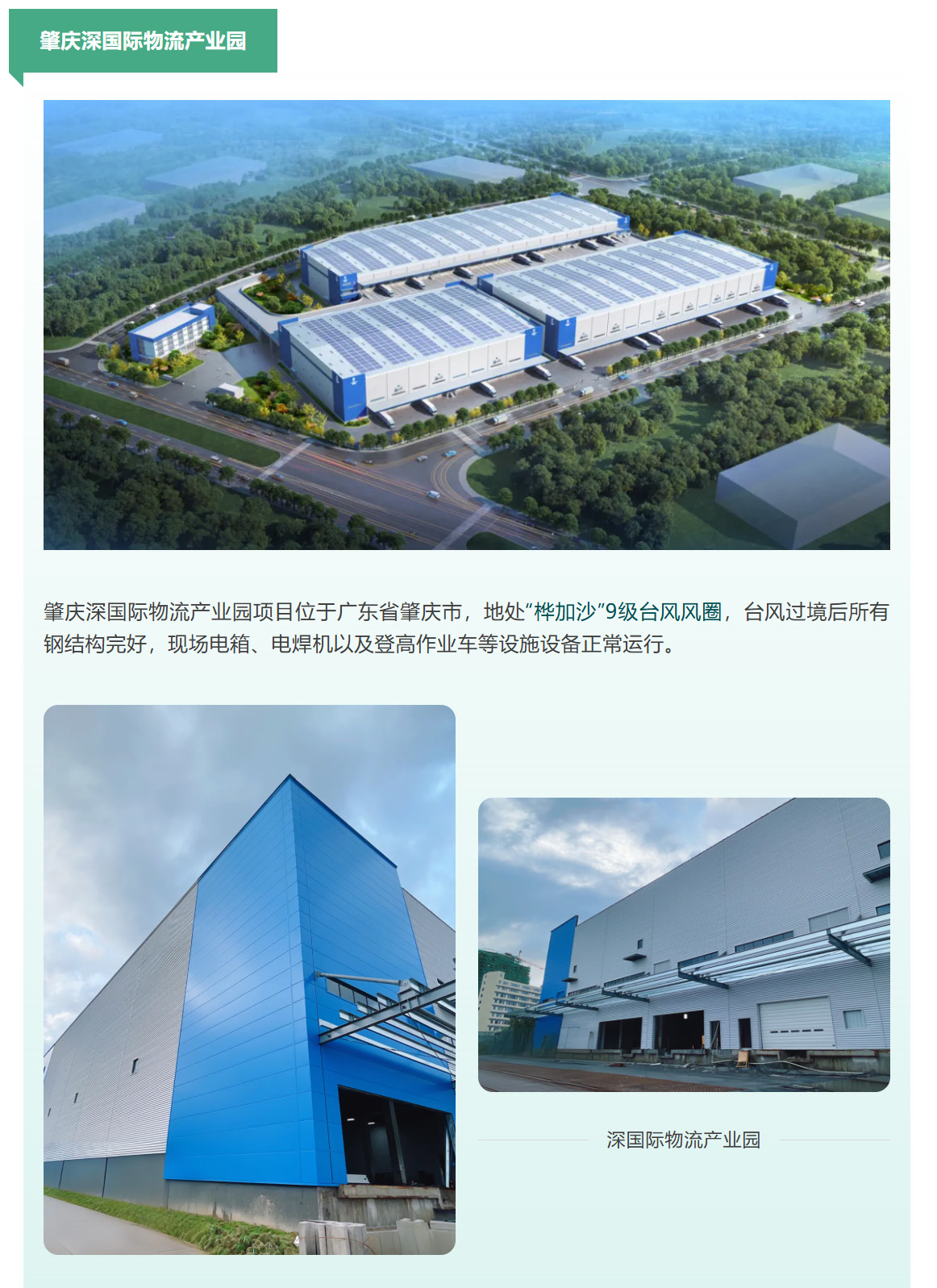
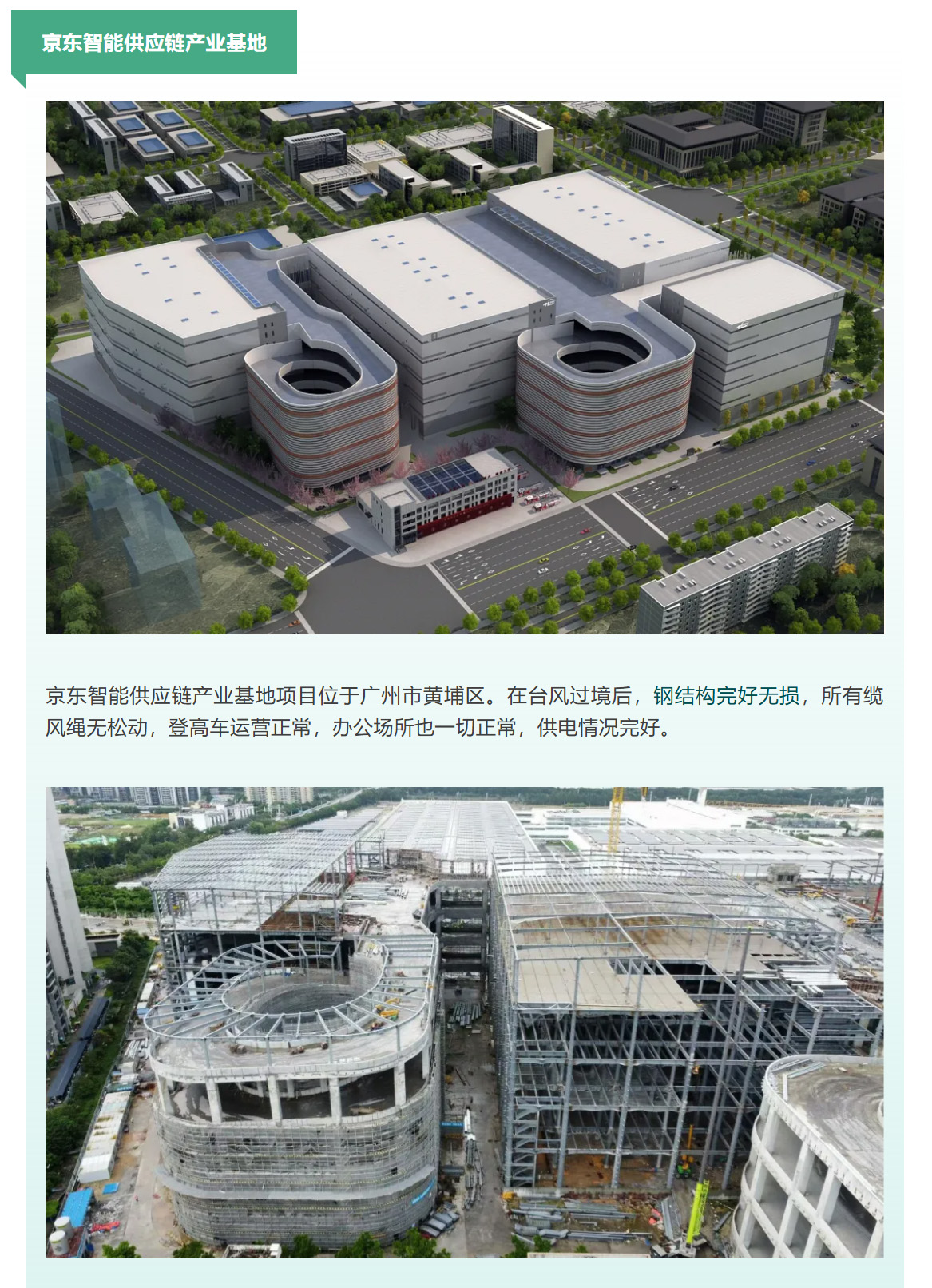
During this typhoon test, ABC's Guangdong project cluster remained standing, demonstrating the projects' exceptional structural resilience.
II. In-Depth Analysis: The Building's Wind-Resistance DNA
A typhoon is the harshest quality inspector, bringing not only violent wind and rain but also an extreme test of building quality. To withstand typhoons, ABC established a defense system from the inside out:
01 Design Stage: Strengthening Wind Resistance at the Source
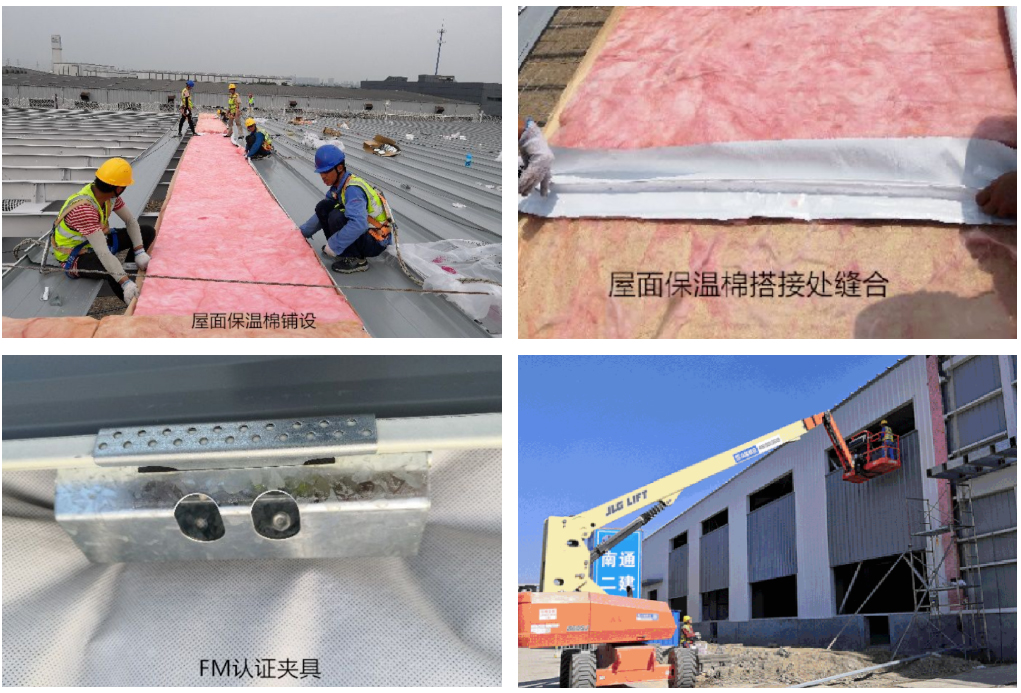
During preliminary design, ABC treats wind resistance as a key consideration. By thoroughly calculating and verifying wind loads and selecting FM-certified products and materials, the overall wind resistance of each project is strengthened from the outset.

02 Construction Stage: Strict Process and Safety Control Throughout Execution
During project management and construction, ABC applies workmanship standards higher than those of conventional projects to eliminate potential safety hazards.
03 When the Typhoon Arrives: Calmly Delivering the Answer
Before the typhoon arrived, the project team focused on temporary reinforcement of key components and protection of materials stored on site.
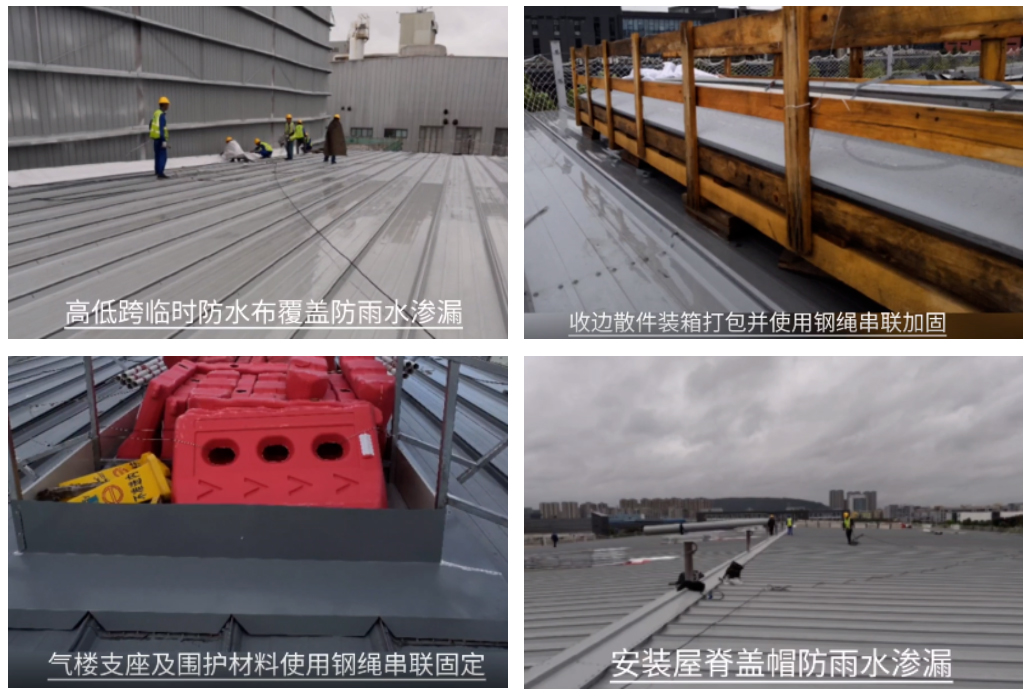
From design through completion, ABC's multi-layer typhoon-defense system runs throughout the entire project lifecycle, creating a strong barrier for engineering and personnel safety. This is the wind-resistance DNA embedded in every project.