Inside the Shanghai Waigaoqiao Free Trade Zone, a building combining premium warehousing with green technology has quietly been completed: Waigaoqiao New Exhibition City H1 Plot.
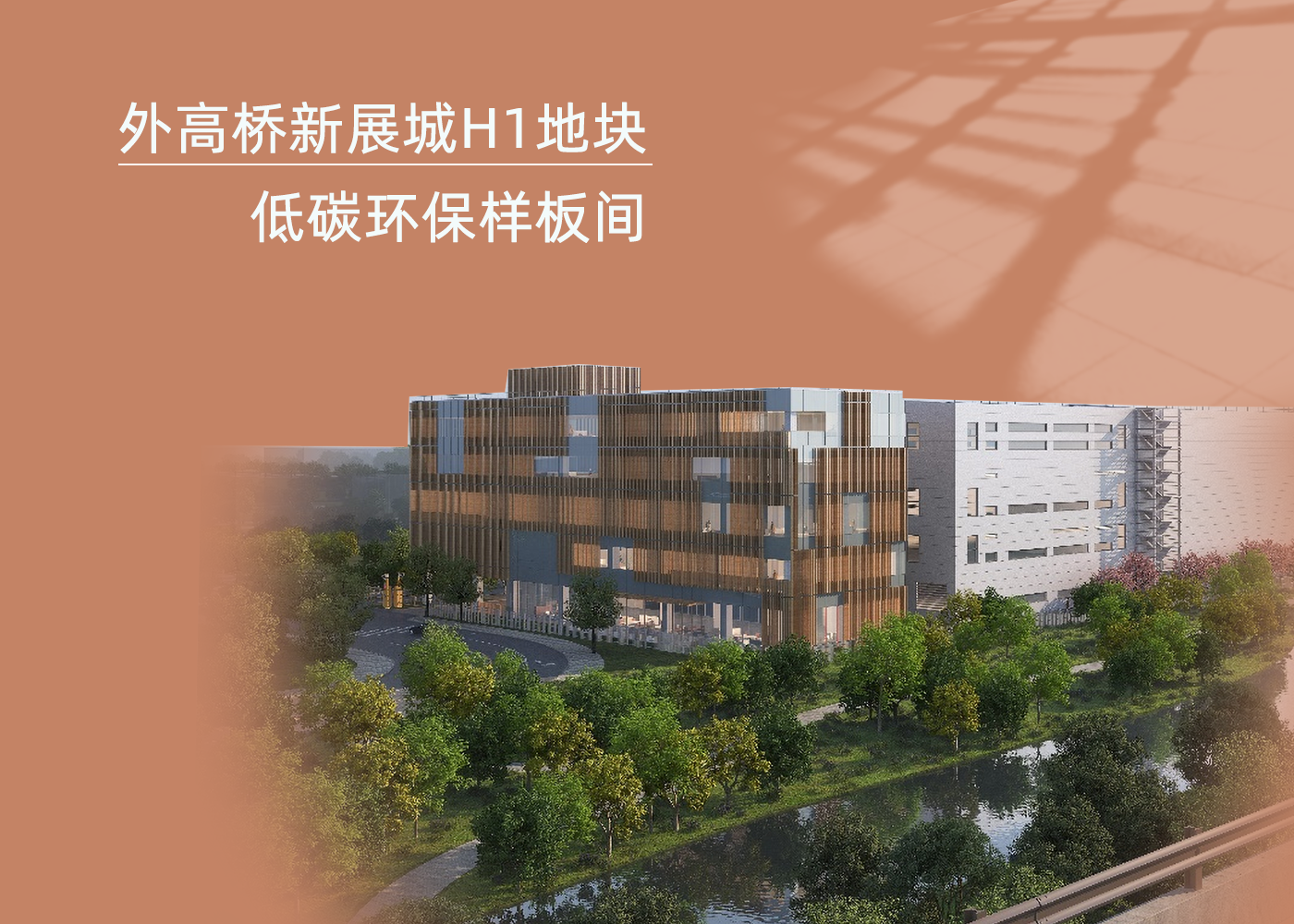
It is not only a processing and storage base for perfumes and cosmetics from luxury brands such as Dior and Guerlain, but also a showcase low-carbon building constructed to LEED standards.
Green Core: Sustainable Practices Behind Eco-Friendliness
Waigaoqiao New Exhibition City H1 Plot uses the internationally leading LEED certification system as its benchmark, establishing a green operating system across materials, energy, water resources, and other dimensions.
The building uses a flexible roofing system and wall sandwich panels that meet FM certification requirements. Green building materials with a high recycled-content ratio reduce the building's overall carbon footprint by approximately 60%.
Architectural Dialogue: The Poetics of Space in the Clash of Materials
The overall development consists of a five-story office building and a steel-structure plant, forming a three-dimensional cluster with complementary functions and visual dialogue.
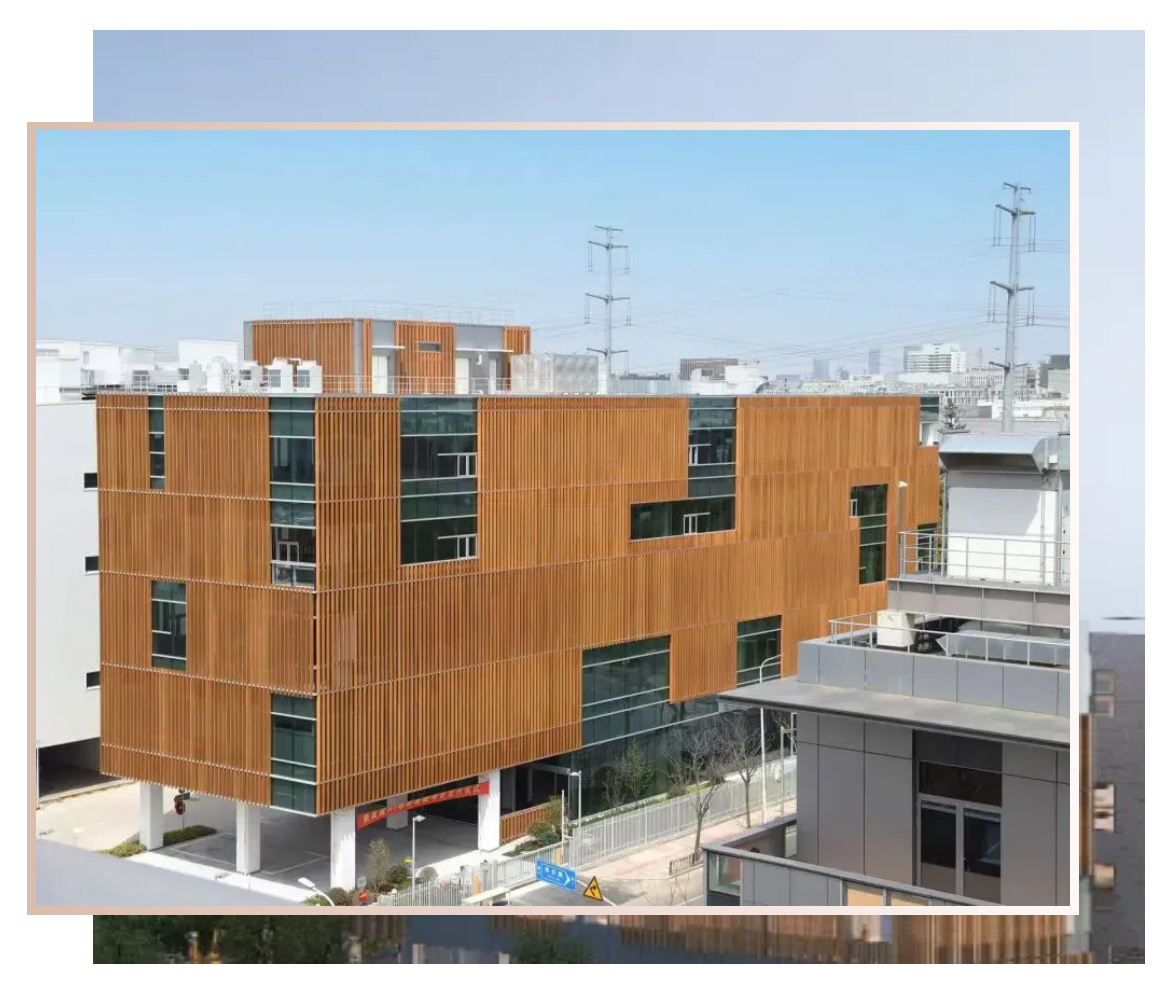
The office facade interweaves transparent glass curtain walls with bamboo-screen curtain walls. The contrast between transparent and solid materials outlines a modern, bold profile, like an elegant spatial extension of a luxury brand.
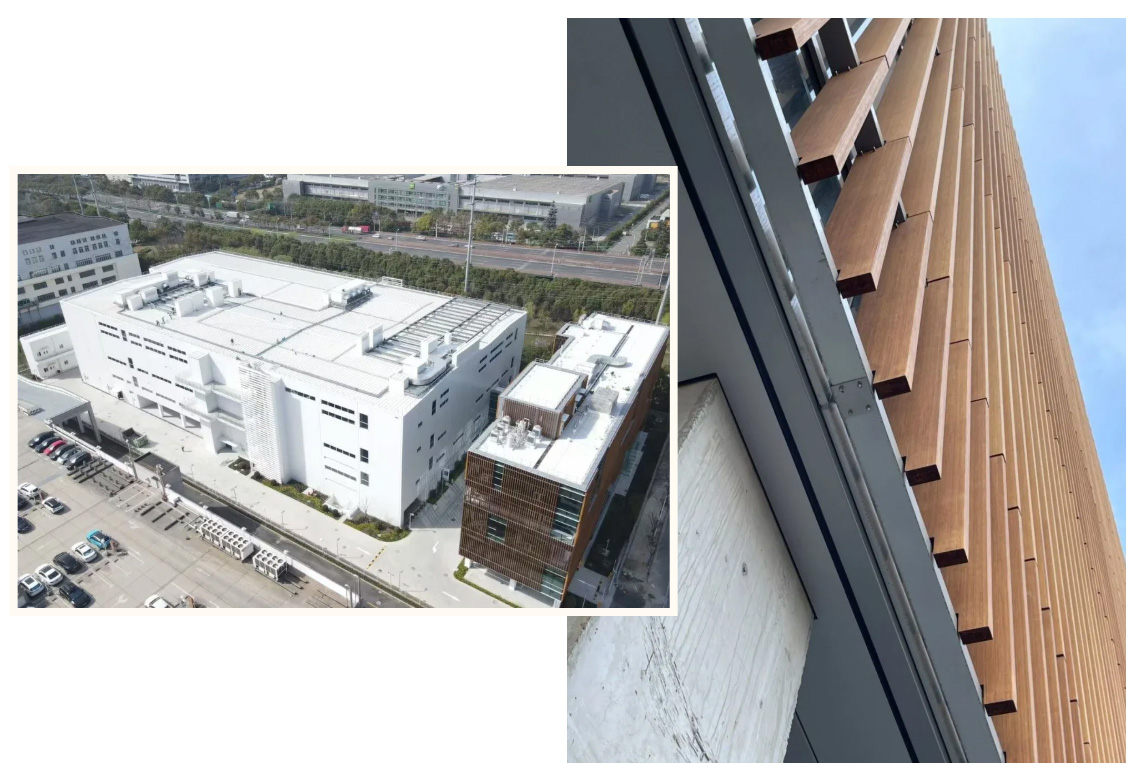
The warehouse uses white rock-wool sandwich panels and an SS360 standing-seam roofing system, emphasizing tightness and functionality.
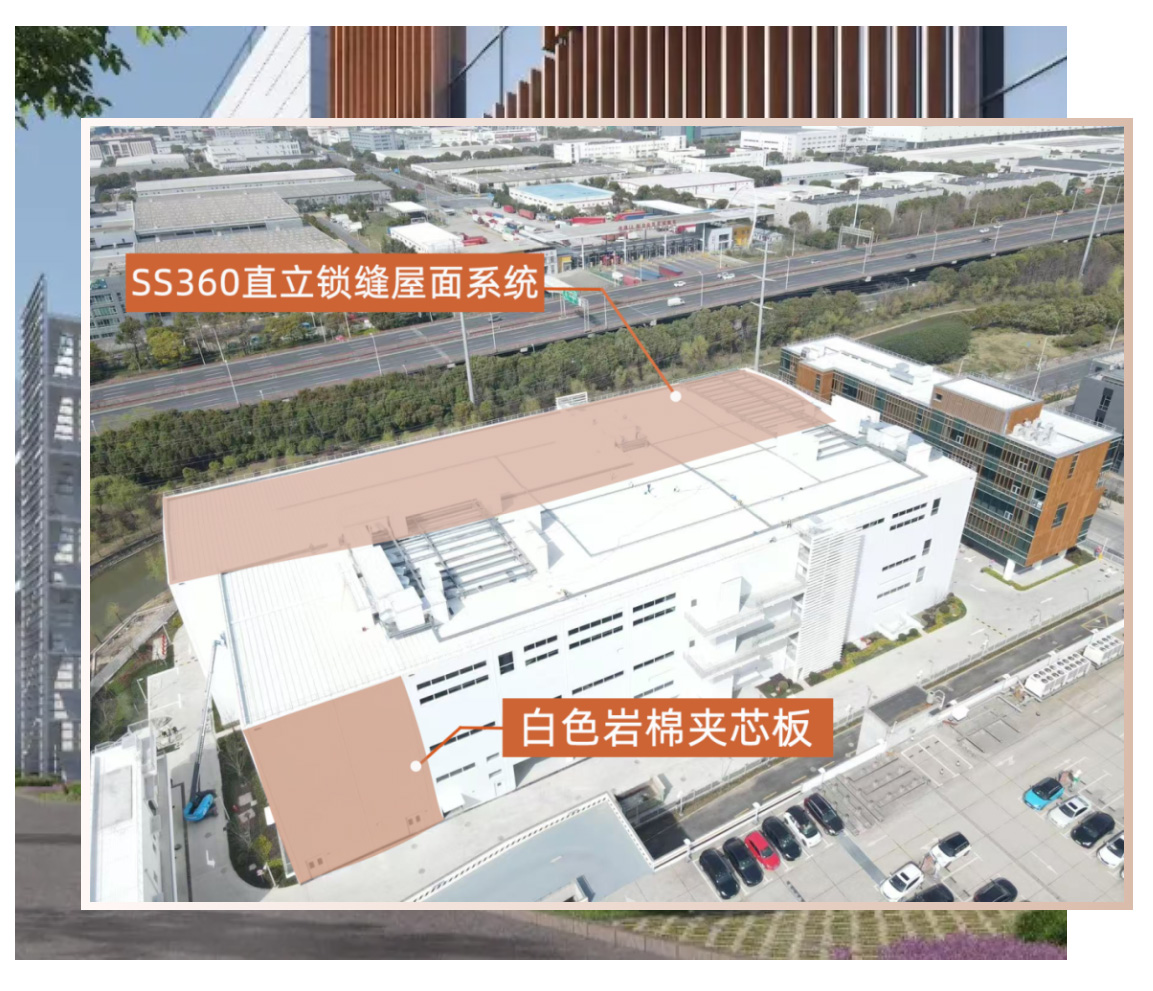
The pure building mass forms a clear boundary with the office building while together creating a harmonious architectural ensemble, expressing an aesthetic balance between understated precision and visible refinement.
A Metaphor of Fusion: When Sustainability Meets Luxury
Here, green technology is not an add-on but part of the space's DNA; architectural design goes beyond form to become a carrier of brand spirit.
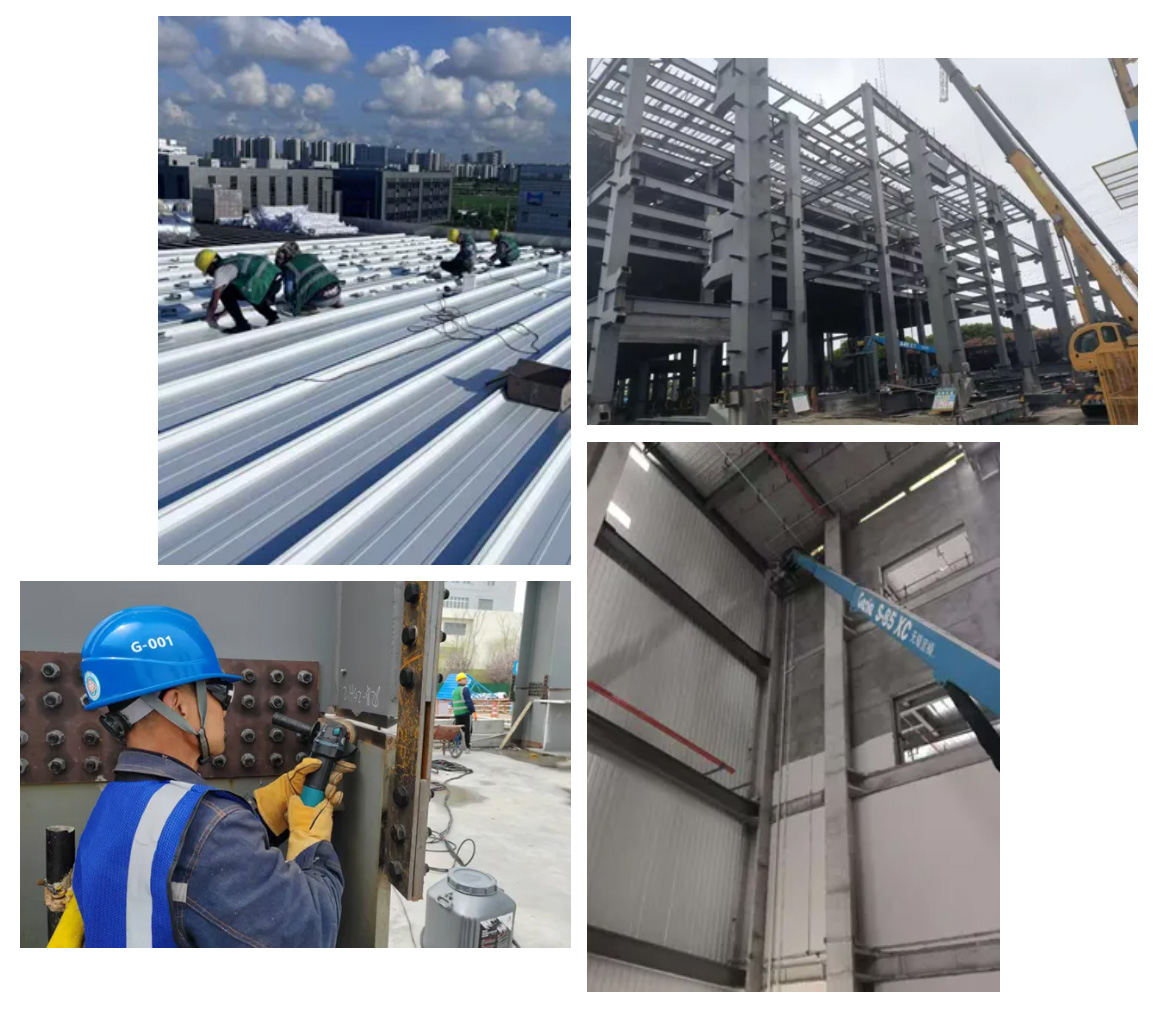
The customized warehouse at New Exhibition City H1 Plot demonstrates through a clear low-carbon pathway and concise aesthetic expression that sustainability and luxury are not contradictory. Instead, they can merge into a future-oriented architectural language of value—reducing operating costs for businesses, easing environmental impact, and setting a rational yet poetic benchmark for the industry.